
 French
 Arabic
Department of Gynecology & Abnormal Placentation
The Department of Gynecology and Abnormal Placentation at Hôtel‑Dieu de France (HDF) is a national reference center for women’s health, complex obstetrics, and gynecologic surgery. Under the leadership of Professor David Atallah, the department integrates clinical innovation, academic leadership, and multidisciplinary teamwork within a university‑affiliated hospital setting.
What Sets Us Apart
Minimally invasive by default: laparoscopy, robotic surgery, and vNOTES approaches across benign and malignant indications.
- Dedicated Breast Cancer Pathway ensuring fast, coordinated, and compassionate care from diagnosis to survivorship.
- National referral unit for Placenta Accreta Spectrum (accreta, increta, percreta) with multidisciplinary planning and intra‑operative coordination.
- Exclusive performance in Lebanon of endometrial cancer surgery by laparoscopy, including ICG‑guided sentinel node mapping and ultrastaging.
- Academic excellence: integrated with Saint‑Joseph University of Beirut (USJ), with active research, publications, and surgical training programs.
Scope of Services
- Benign gynecology (fibroids, endometriosis, pelvic organ prolapse, chronic pelvic pain).
- High‑risk obstetrics with a specialized Abnormal Placentation Unit.
- Gynecologic oncology (uterus, ovaries, cervix, vulva) with advanced staging and reconstruction.
- Breast surgery and oncology integrated within the Women’s Cancer Institute (WCI).
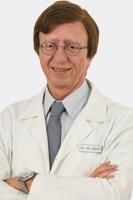
Nos Médecins
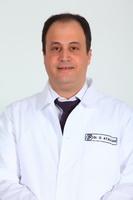

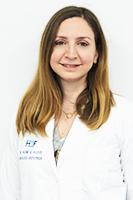
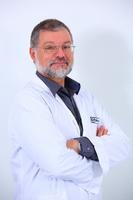
As a core component of the Women’s Cancer Institute (WCI‑HDF), our Gynecologic Oncology Unit delivers state‑of‑the‑art care for cancers of the uterus, ovaries, cervix, and vulva. Surgery relies on laparoscopy and robotic platforms to maximize precision, reduce complications, and accelerate recovery.
The breast program enrolls every patient into a dedicated pathway that begins at screening and continues through diagnosis, surgery, reconstruction, adjuvant therapy, and survivorship. Coordination is ensured via the WCI tumor boards and nurse‑navigator support when available.
Our department is minimally invasive by default. All hysterectomies are performed via laparoscopic, robotic, or vNOTES approaches. This reduces postoperative pain, shortens hospital stays, and accelerates return to normal activities while maintaining surgical precision.
- Each case is reviewed in a multidisciplinary tumor board to define the optimal treatment strategy.
- Primary debulking surgery is performed whenever complete cytoreduction is achievable, in line with ESGO/ESMO standards.
- When upfront surgery is not feasible, patients receive neoadjuvant chemotherapy followed by interval debulking surgery.
- HIPEC (Hyperthermic Intraperitoneal Chemotherapy) is offered to selected stage III patients at the time of interval surgery to improve oncologic outcomes.
- All patients undergo comprehensive genomic testing, including BRCA1/2 and HRD assessment, to personalize treatment and guide maintenance therapy.
- This pathway ensures that ovarian cancer care at Hôtel-Dieu de France is fully aligned with international recommendations and modern precision oncology standards.
HDF hosts a specialized national referral unit for Placenta Accreta Spectrum (PAS) including accreta, increta, and percreta. The unit integrates obstetricians, anesthesiologists, interventional radiologists, urologists, and surgical specialists to provide coordinated, safety‑focused care for high‑risk pregnancies.
Affiliated with Saint‑Joseph University of Beirut (USJ), the department leads education and research across minimally invasive gynecology, oncology, and high‑risk obstetrics. Faculty are engaged in peer‑reviewed publications, international collaborations, and surgical training curricula.
- Quality: evidence‑based protocols and continuous audit.
- Compassion: clear communication, dignity, and psychosocial support.
- Innovation: adoption of technologies that improve safety and recovery.